Back to Blog
The Best Tiles for Small Bathrooms: Creating the Illusion of Space
Discover the best tile choices for small bathrooms that can help create the illusion of a larger, more open space, including light colors, diagonal patterns, and large-format tiles.

Scarlett Williams
Kitchen and Bath Specialist
47k views
Jul 29, 2026
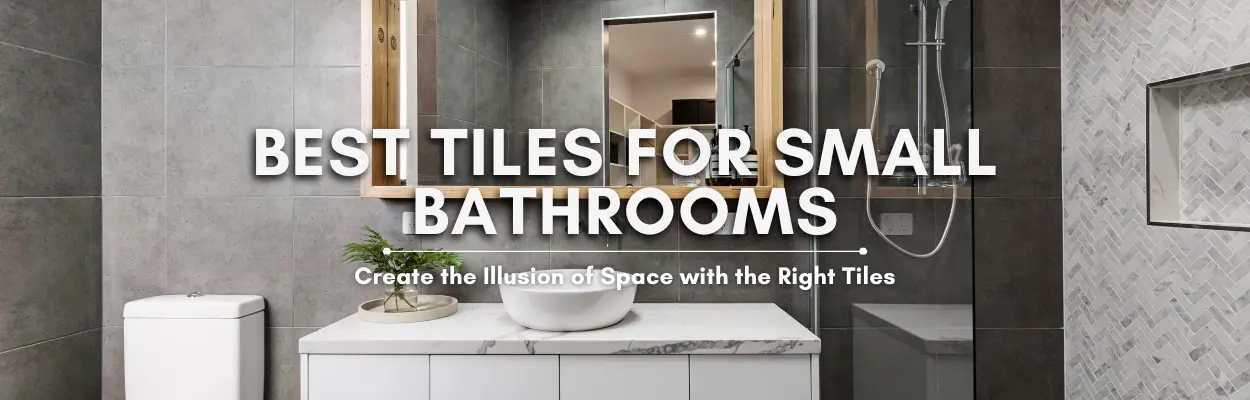
A small bathroom is tricky to design, but the right tile can make it look larger and more open. Look for tiles that reflect light, keep surfaces visually continuous, and cut down on clutter. These are the best tiles for small bathrooms if you want to make the most of the space without giving up style.
1. Light-Colored Tiles: Bright and Open
Light-colored tiles are a must in small bathrooms because they reflect light and make the space feel brighter and bigger.
-
Why It Works: Light colors like white, cream, soft gray, and pale pastels bounce natural and artificial light around the room, which makes a small bathroom look larger. They also give the room a clean, airy feel that suits small spaces.
-
Best Applications: Use light-colored tiles on both the walls and the floor so the surfaces flow together and the room reads as one space. Sticking to a single color or similar tones throughout avoids visual breaks that can make the room feel smaller.
-
Pairing Tip: For interest without losing the sense of space, choose light-colored tiles with a subtle texture or a glossy finish. This boosts how much light the tiles reflect and adds depth to the design.
2. Large-Format Tiles: Less Grout, More Space
Large-format tiles work well in small bathrooms because they create a more continuous surface, which can make the room feel larger.
-
Why It Works: Bigger tiles mean fewer grout lines, so there’s less visual clutter and the surface looks smoother and more uniform. That helps open up the room.
-
Best Applications: Use large-format tiles on the floor and carry them up the walls for one unified look. The eye moves across the room without interruption, which makes the space seem bigger.
-
Design Tip: Choose large tiles in light, neutral colors to make the room feel as big as possible. If you want more visual interest, look at tiles with a subtle pattern or veining that mimics natural stone.
3. Diagonal Patterns: Dynamic and Expansive
Laying tiles on a diagonal can trick the eye into seeing the room as larger than it is, which makes it a good technique for small bathrooms.
-
Why It Works: A diagonal layout leads the eye across the room instead of toward its edges, so the bathroom feels more open.
-
Best Applications: Use a diagonal pattern on the floor to give it a sense of movement and space. It works especially well with square tiles, but you can also lay rectangular tiles this way for a more modern look.
-
Design Tip: To keep the diagonal from overwhelming the space, pick tiles in soft, neutral colors. That way you keep the visual flow without adding too much contrast or a busy look.
4. Glass Tiles: Reflective and Airy
Glass tiles are a great way to bring more light into a small bathroom. Their reflective surface bounces light around the room and makes it feel more spacious.
-
Why It Works: Because glass reflects light, it can make even the smallest bathroom feel brighter and more open. Glass tiles also come in a wide range of colors and finishes, so you can match them to your style.
-
Best Applications: Use glass tiles as a backsplash, in the shower, or on an accent wall for a bit of elegance and a greater sense of space. Their glossy, reflective finish gives a small bathroom a luxurious, spa-like feel.
-
Pairing Tip: Pair glass tiles with light-colored or white grout so the surface stays uninterrupted and open. You can also mix glass tiles with other materials like ceramic or stone for a layered design of your own.
5. Vertical and Horizontal Stripes: Elongate the Space
Vertical or horizontal stripes of tile can visually stretch the room, making it look taller or wider than it is.
-
Why It Works: Vertical stripes draw the eye up and make the room seem taller, while horizontal stripes make it feel wider. Both techniques break up the space and make it feel less confined.
-
Best Applications: Use vertical stripes on shower walls or as a feature behind the vanity to make the ceiling feel higher. Horizontal stripes on the floor or along the walls will make the room look wider.
-
Design Tip: Keep the stripes subtle: use tiles in similar tones, or ones that contrast only slightly with the main wall or floor color. You get the sense of space without the stripes taking over the design.
6. Mosaic Tiles: Small But Impactful
Used carefully, mosaic tiles can work well in small bathrooms. They add texture and detail without overwhelming the space.
-
Why It Works: Mosaics add interest and depth to a small bathroom, especially in small areas like a shower niche, backsplash, or accent wall. The small tiles also give the room a more intricate, detailed look.
-
Best Applications: Use mosaic tiles sparingly so the space doesn’t feel busy. They work well as accents or combined with larger tiles, and they bring some luxury and personality to the room.
-
Design Tip: Choose mosaics in light colors or glass to keep the space feeling open, and pair them with larger tiles in complementary tones for a balanced look.
Final Thoughts: Designing with Small Spaces in Mind
In a small bathroom, every choice counts. Tiles that reflect light, keep surfaces continuous, and cut down on clutter can make the room feel much larger and more inviting. Large-format tiles, a diagonal layout, or reflective glass can each turn a small bathroom into a space that looks good and works well.
Back to Blog