Back to Blog
Choosing Floors in Sandy Springs: Riverside Lots, Humidity, and What Survives
Sandy Springs mixes dense in-town homes with wooded riverside lots, and the two ask different things from a floor. How to pick between LVP and laminate.

Michael Brown
Flooring Specialist
101 views
Sep 27, 2026
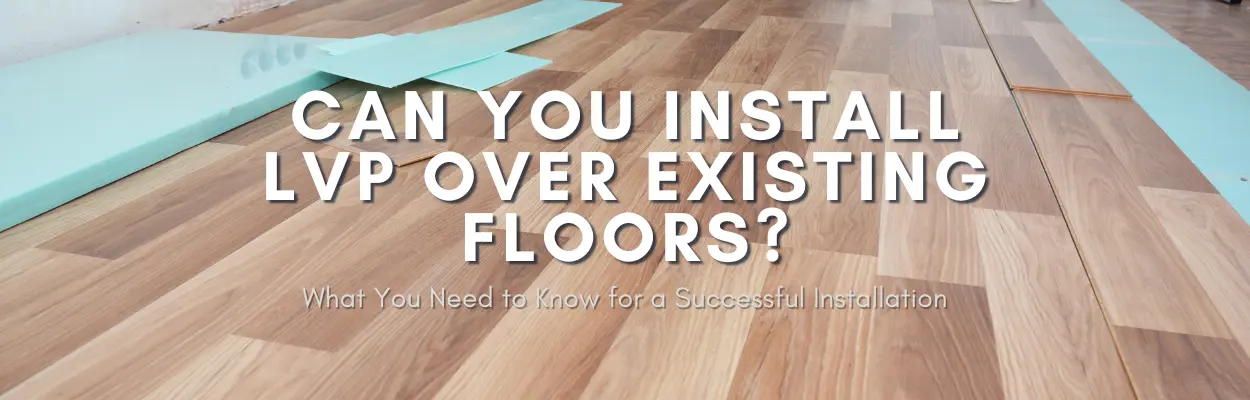
Sandy Springs is really two kinds of house. There are the dense in-town streets around City Springs and Sandy Springs Heights, and there are the wooded riverside lots closer to the Chattahoochee. They look different, sell differently, and need different things from a floor.
They do have two things in common: humid summers and heavy spring pollen. Those should drive the decision.
In Sandy Springs, start with the level below the floor
Before the material question, answer the moisture question. A floor fails from underneath far more often than from above.
- Basement or below-grade rooms. Concrete moves moisture upward even when it looks bone dry. This is where you need waterproof, not just "water-resistant."
- Riverside and wooded lots. Shade, leaf litter, and slower drying around the foundation keep ambient humidity higher for longer.
- Older in-town homes. Subfloors that have been through several floor coverings may need leveling before anything new goes down.
We assess the subfloor before recommending a product, because sometimes the honest answer is "this one needs prep first."
LVP or laminate, decided honestly
Both can go over concrete, in place of carpet that is coming out, or over many existing hard floors with the right underlayment. The difference that matters in this climate is water.
Luxury vinyl plank (LVP) is fully waterproof and scratch-resistant. That is why it is the usual pick for homes with pets and kids, and the near-automatic pick for basements and anything at or below grade.
Laminate costs less and looks excellent, but it is less water-tolerant. On a dry, well-ventilated upper floor it can be the smarter spend. Put it in a basement on a riverside lot and you are betting against the weather.
If you want one rule: the wetter and lower the room, the stronger the case for LVP.
Pollen is a scheduling problem, not a flooring one
Spring pollen around Sandy Springs, as everywhere in the metro, is heavy enough to shift exterior work schedules. Indoors it does not damage a floor, but it does affect the job. Windows stay shut, and if flooring is happening alongside any exterior work, the exterior side gets pushed to the drier late-spring-to-fall window.
If you are doing both, schedule the flooring after the dusty work. New floors get covered and protected during a repaint, but it is cleaner not to have to.
What actually goes wrong
In order of how often we see it:
- Subfloor skipped. Every dip and ridge telegraphs through the new floor within a year.
- Wrong product for the level. Laminate below grade, in a house with a humid crawlspace.
- No transitions planned. The spots where the new floor meets tile, stone, or a stair nose decide whether an install looks finished or improvised.
- Old flooring left in place to save a day. Sometimes that is the right call, but often it is not. It depends entirely on what is under it.
None of those are problems with the material. They are decisions made before the first plank goes down.
Before you buy anything
Measure the rooms, note which ones are at or below grade, and check whether any of them have ever had a moisture issue, even years ago. That short list changes the recommendation more than any brand comparison will.
Want a number to work from? Run the flooring estimate for your rooms, or see how we handle flooring in Sandy Springs and send us the layout.
Back to Blog