Back to Blog
How to Improve Bathroom Ventilation to Prevent Mold and Mildew
Learn effective solutions to improve bathroom ventilation and prevent common moisture-related issues like mold and mildew.

Scarlett Williams
Kitchen and Bath Specialist
7k views
Feb 22, 2026
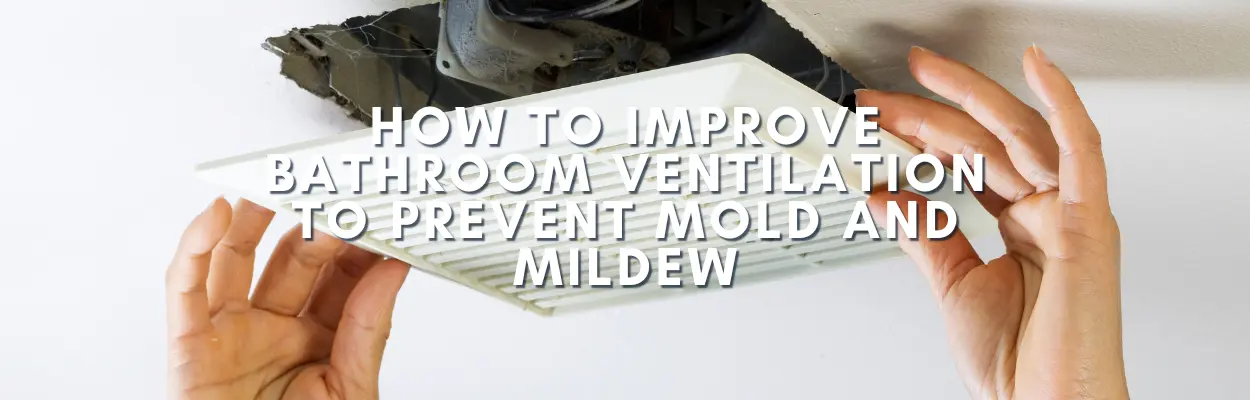
Proper bathroom ventilation is essential for preventing mold and mildew, which thrive in damp spaces. Poor ventilation lets moisture linger, and that can damage your walls, ceilings, and fixtures. If you live in Cherokee County or anywhere in the greater Atlanta area, these practical tips will help you improve your bathroom’s ventilation and keep it mold-free.
1. Install a High-Quality Exhaust Fan
-
Choose the Right Fan: An exhaust fan is one of the most effective ways to get excess moisture out of your bathroom, but it has to be sized for the room. Fan capacity is measured in cubic feet per minute (CFM), and the fan should be able to move the entire volume of air in your bathroom in about five minutes.
-
Use the Fan Properly: Run the exhaust fan during your shower or bath and leave it on for at least 15-20 minutes afterward so all the moisture gets vented outside. Some fans have a built-in timer or humidity sensor that shuts the fan off automatically once moisture drops to a safe level.
2. Open Windows and Doors
-
Maximize Natural Ventilation: If your bathroom has windows, open them during and after showers to let fresh air circulate and dry out the room. Even cracking a window slightly can make a big difference in moisture levels.
-
Leave the Door Open: Leaving the bathroom door open after a shower or bath also helps moisture clear faster. The humid air moves into other parts of the house, where it can disperse without causing damage.
3. Use a Dehumidifier
-
Supplemental Moisture Control: In bathrooms with limited ventilation, consider a portable dehumidifier. It pulls excess moisture out of the air and keeps the room drier, which is especially useful in bathrooms with no windows or a weak exhaust fan.
-
Choose the Right Size: Pick a dehumidifier sized for your bathroom. A small bathroom may only need a compact model, while a larger one might need a more powerful unit.
4. Regular Maintenance and Cleaning
-
Clean Exhaust Fans: Over time, exhaust fans get clogged with dust and debris and lose efficiency. Clean the fan cover and blades regularly to keep the fan running at full capacity.
-
Inspect for Leaks: Check regularly for leaks around the shower, tub, sink, and toilet. Even small leaks add to moisture buildup and can lead to mold and mildew, so fix them promptly before they cause damage.
-
Use Mold-Resistant Paint: If you’re repainting your bathroom, consider mold-resistant paint. It contains antimicrobial agents that help keep mold from growing on painted surfaces, which gives you an extra layer of protection.
5. Consider a Bathroom Remodel for Better Ventilation
-
Upgrade Ventilation Systems: If your bathroom’s ventilation is outdated or isn’t doing its job, it may be time for an upgrade. A new, more powerful exhaust fan or extra vents can greatly improve air circulation.
-
Enhance Natural Light: Adding windows or skylights during a bathroom remodel brings in more natural ventilation and light, which makes the room less friendly to mold. Natural light also helps dry the space, lowering moisture levels even further.
Final Thoughts: Maintaining Proper Bathroom Ventilation
Improving your bathroom’s ventilation is crucial for preventing mold and mildew, which can cause health problems and damage your home. A good exhaust fan, plenty of natural airflow, and well-maintained fixtures will make your bathroom healthier and more comfortable.
If you live in Cobb, Fulton, Forsyth, or Cherokee counties and want better bathroom ventilation or are considering a full bathroom remodel, we can help. Contact us today for expert advice and professional service tailored to your needs.
Back to Blog